
Choosing between two cities
Bruges or Ghent? A Belgian guide's answer
For most visitors we say Ghent: a lived-in medieval city with fewer day-trip crowds. Pick Bruges for the postcard, and walk ten minutes out of the centre for quiet.
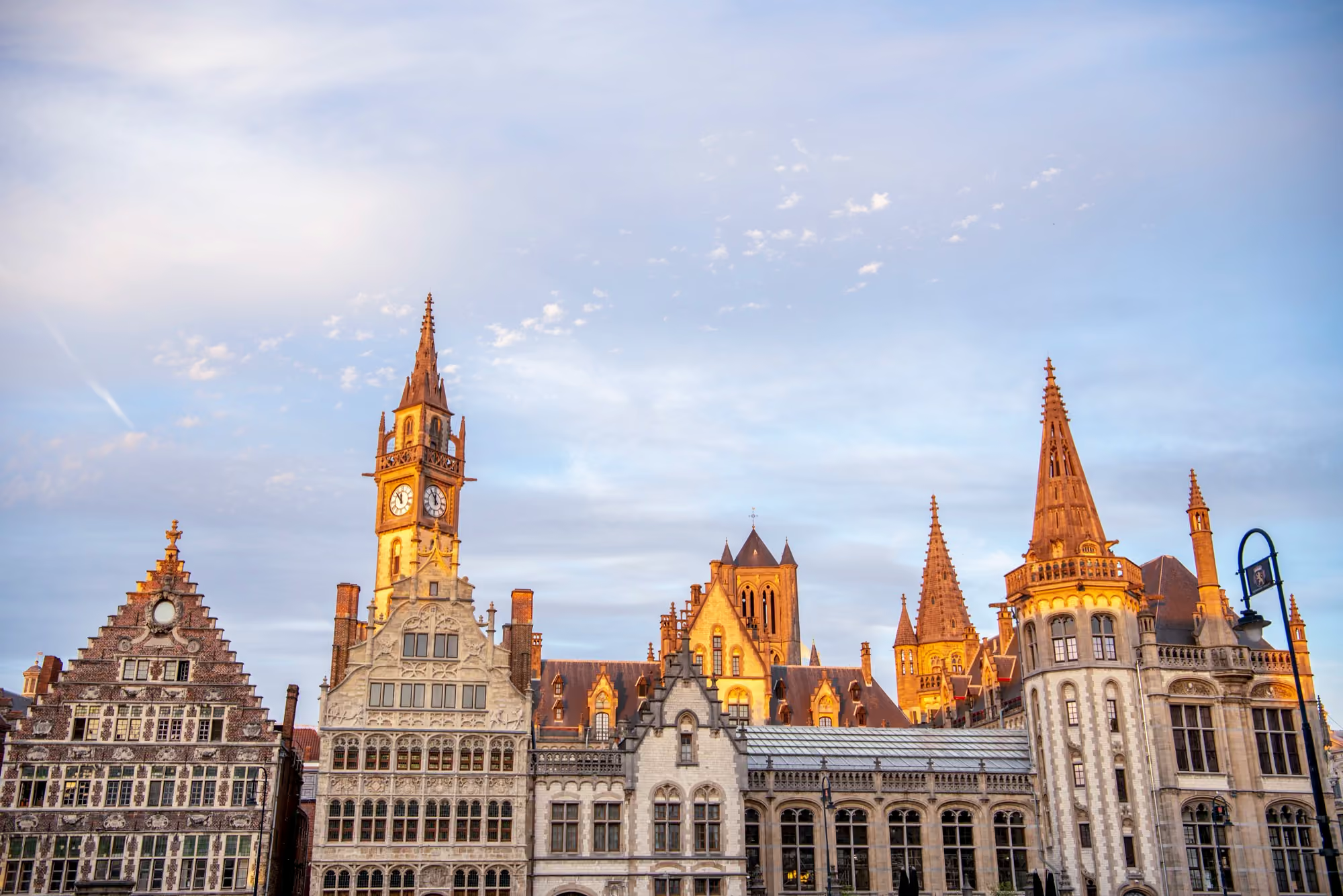
If you only have time for one, pick Ghent. That is the answer I give most guests who ask. Ghent is bigger, it is lived-in, and it has fewer day-trip crowds. Pick Bruges if you want the postcard, and walk ten minutes out of the centre for quiet.
The short version
My line for this question is simple. Bruges is the museum, Ghent is the living room. Bruges you admire, Ghent you join.
| Item | Bruges | Ghent |
|---|---|---|
| What it feels like | A medieval city that stood still for centuries | A medieval city that kept growing, with 80,000 students |
| The big name inside | A Michelangelo Madonna in the Church of Our Lady | The Van Eyck altarpiece in Saint Bavo's Cathedral |
| Crowds | Millions of visitors a year, most around the centre | Fewer day-trip crowds |
| Food and chocolate | Dozens of chocolate shops within walking distance | Two top chocolate makers on one street, and a strong vegetarian scene |
| Who it suits | Travellers who want the postcard | Travellers who want a lived-in city |
| Our pick for most guests | Bruges if the postcard matters most | Ghent |
Why Bruges looks the way it does
In the 1300s and 1400s Bruges was one of the richest trading cities in the world. Merchants met at an inn owned by the Van der Beurse family. That is where the word bourse, a stock exchange, comes from.
Then the channel to the sea silted up and the merchants moved to Antwerp. Bruges went quiet and was too poor to tear anything down. In the 1800s tourists found a medieval city that had barely changed. That is the city you see today.
Two things to see inside. The Church of Our Lady has a brick tower of over 115 metres. It also holds a Madonna and Child by Michelangelo, bought around 1504. Napoleon’s troops took it in 1794, and German soldiers took it again in 1944. The Monuments Men brought it back in 1945.
The honest downside of Bruges
Bruges gets millions of visitors a year, and most stay only a few hours around the centre. Here is what I tell guests. Walk ten minutes toward the windmills or the beguinage, and the city goes quiet. The beguinage is a walled courtyard where Benedictine sisters live today, so speak softly inside.
The Bruges tourist office has more on what to see.
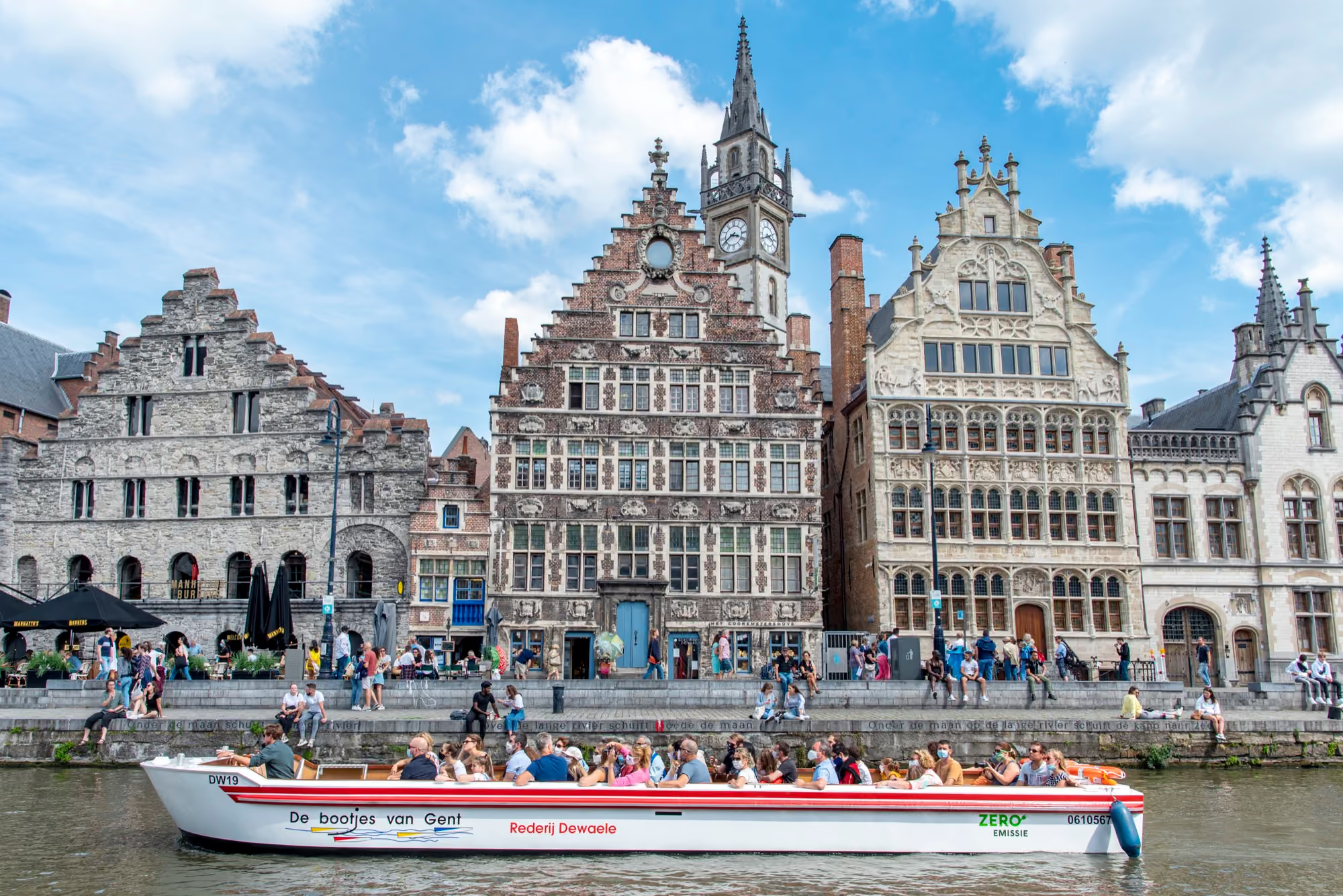
Why Ghent wins for most guests
Around 1300 Ghent was one of the biggest cities in Europe north of the Alps. It never froze in time like Bruges. Today it has 80,000 students and a working port, so the old centre is part of daily life.
Ghent also has a history of standing up to power. Emperor Charles V was born here in 1500. When the city refused his war taxes in 1539, he made its leading citizens walk with a noose around their necks. The people of Ghent still call themselves the noose bearers, and they say it with pride. The castle, the Gravensteen, dates from around 1180. Students occupied it in 1949 over a tax on beer.
In Saint Bavo’s Cathedral hangs the Van Eyck altarpiece from 1432. It is often called the most stolen artwork in history. One panel, the Just Judges, was stolen in 1934 and never came back.
The honest downside of Ghent: the Gravensteen holds a torture museum. It is real history, but not for every guest. Sensitive travellers can skip the inside.
One street for chocolate in Ghent
The big chocolate names have shops in the centre, and they are fine for a last-minute gift. For the best of Ghent, go to the Mageleinstraat. Two top makers sit on the same street. Chocolatier Deduytschaever is at number 2. Gault&Millau named Jannes Deduytschaever Flemish Chocolatier of the Year in 2022 and again in 2026. Chocolaterie Vandenbouhede is at number 46. Buy a few at each and taste them side by side.
The Ghent tourist office has more on what to see.
When we bring guests to Bruges or Ghent
We pick up in both cities, and a day with us can include guided time in Ghent or Bruges. It can also take you further. From Ghent or Bruges, Ypres and the Flanders Fields work well. If you want help choosing, tell us your dates on the private page and what you hope to see.
What would a day like this cost today? Read what a private day in Belgium costs, and what is in it.
Bruges, Ghent, or a day beyond both
We pick you up at your door in Brussels, Ghent, Antwerp, Bruges or anywhere else in Belgium. A day with us can include guided time in Ghent or Bruges, or take you out to the places most visitors never reach. Send your dates and who is coming on the private page, or write to hello@belgiumswanderlust.be. Days run year-round on request, and you get a personal reply within 24 hours.
Plan Your Day